How to Easily Identify Mint Plants in Your Home Garden
Ever spotted a lush green patch of herbs and wondered, "Wait, is this actually mint — and can I put it in my tea?" We’re sure that many can relate. With over 20 recognized species and hundreds of cross-pollinating hybrids out there, the mystery of “how to identify mint plants” is not a new one.
New homeowners often inherit yards of plants they didn't grow themselves. But identifying mint plants is easy: just check for a distinct square stem and opposite pairs of jagged leaves that rotate at a 90-degree angle. The final giveaway of the Mentha genus is the distinctive scent that wafts when you roll a leaf.
What Does Mint Look Like When Spreading Across Garden Beds
Before diving into the tiny details of mint identification, look at how the plant behaves on a larger scale. In late spring, you'll see it growing in lush, vibrant green carpets that quickly spread across open soil.
This rapid expansion of these small plants happens beneath the surface, thanks to creeping underground runners known as rhizomes. These stems push through the dirt, throwing down strong roots and shooting up new stalks every few inches.
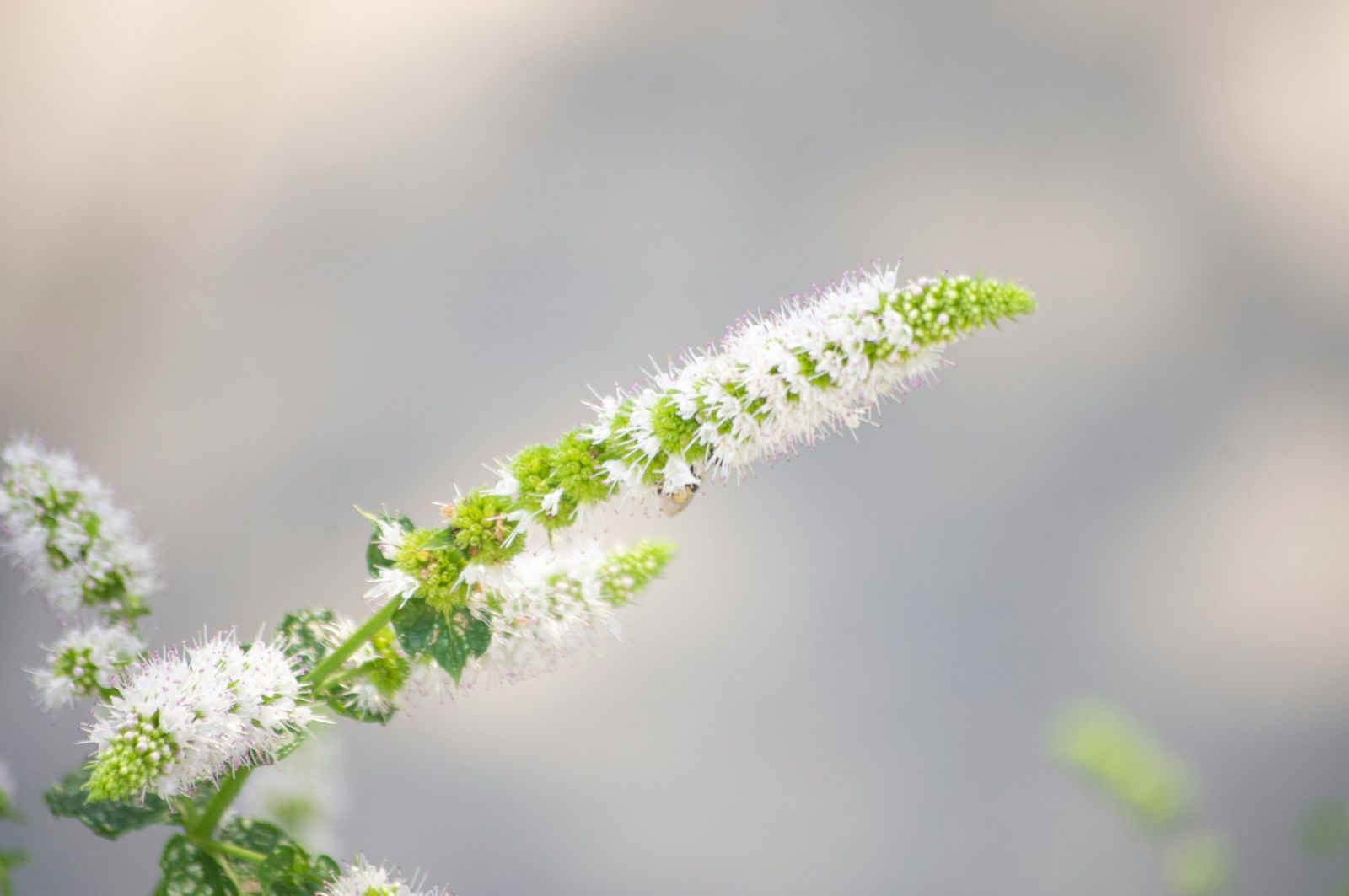
When it comes to height, mature plants grow up to 30 to 90 centimeters tall. By late summer, they bloom, producing tiny white or purple flowers. These little blossoms bunch together in circular rings called whorls around the upper stems, favorites of local pollinators.
Mint Plant Identification Basics to Confirm a True Herb
To tell real mint apart from random garden weeds, you just need a quick, tactile checklist. Figuring out exactly what you're looking at takes a close-up inspection, but the rules of mint plant identification are remarkably consistent.
-
Step 1: Feel for the square stem. Roll the main stalk between your thumb and forefinger. You’ll immediately feel four distinct, flat sides with sharp corners, rather than a smooth, round cylinder. This shape is the trademark of the Lamiaceae (dead-nettle) family.
-
Step 2: Check the opposite leaf pattern. True mint features an opposite leaf arrangement. The leaves grow in pairs directly across from each other. Each new pair rotates 90 degrees from the one below it. That creates a perfect cross when you look down at the plant.
-
Step 3: Look at the community growth. Mint never grows as isolated bushes. It always pops up in thick, interconnected, multi-stemmed colonies. If you spot a single, solitary plant, it’s highly likely an impostor.
Once you can spot the square stems, opposite leaves, and thick colonies, you'll know exactly what mint looks like when it's hiding among the other weeds in your garden. And you can double-check with a modern plant detector like botanapp.com, which uses science and AI. The app just takes the photo and gives you a reliable answer in seconds, so you know exactly what's growing in your yard.
Different Types of Mint Leaves You Can Find in Backyard Patches
Once you're sure your mystery plant is indeed what you were looking for, the next step is figuring out its specific variety. To tell different types of mint leaves apart, look closely at the leaves' texture and shape.
Peppermint (Mentha × piperita)
Look for smooth, lance-shaped leaves that are a dark, rich green with sharply pointed tips. They usually have prominent purple-red veins running through them and grow on distinct, elongated little leaf stems (petioles) that attach them to the main stalk.
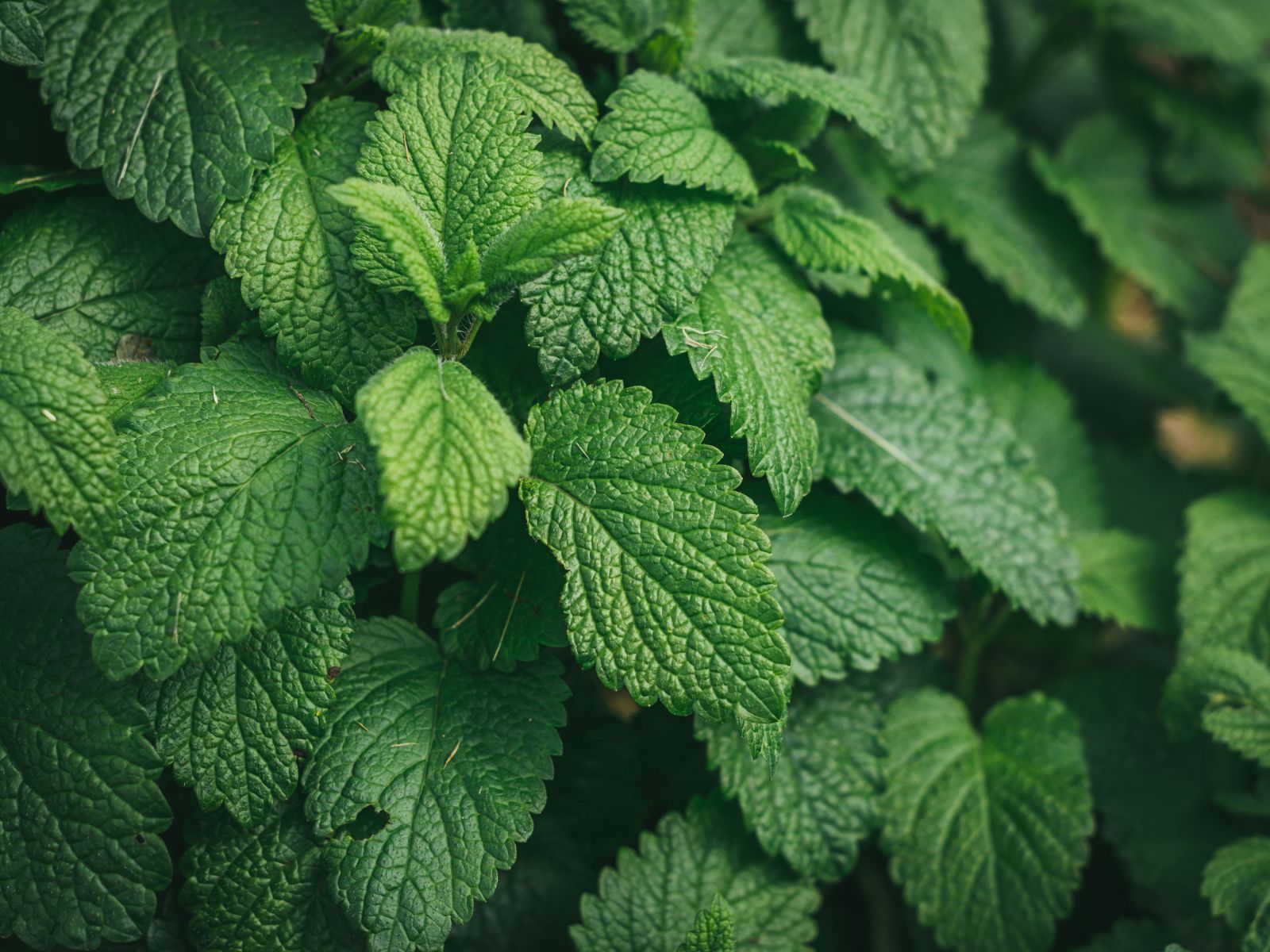
Spearmint (Mentha spicata)
This variety displays lighter, vibrant green leaves with a deeply wrinkled, textured surface. Unlike peppermint, spearmint has virtually no visible leaf stems, meaning the crinkly, serrated base of the leaf attaches directly to the main stalk.
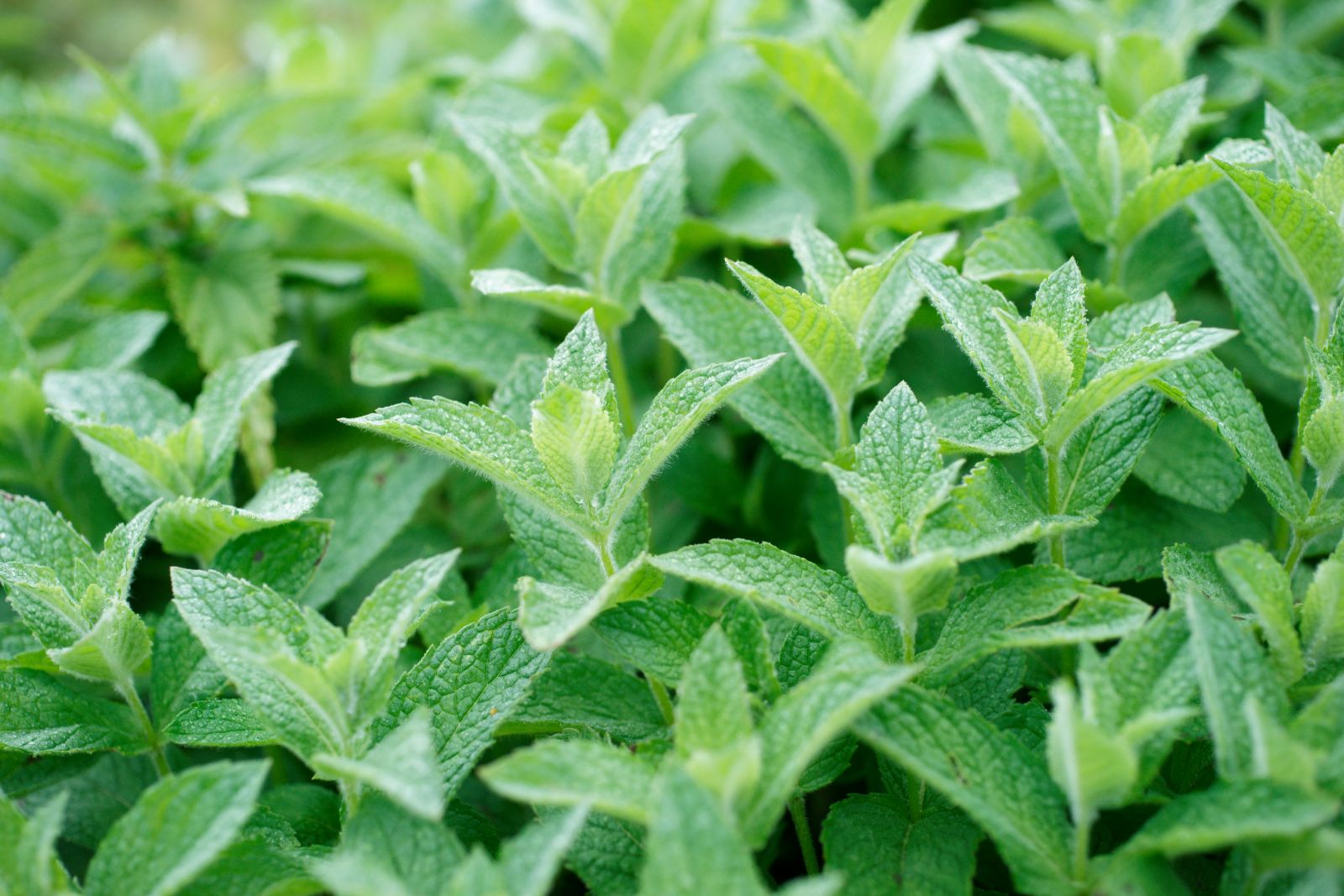
Source: Unsplash
Apple Mint (Mentha suaveolens)
This one is incredibly easy to spot thanks to its oval leaves. If you run your fingers over them, they feel remarkably soft and velvety because they are covered in a dense layer of fine, fuzzy hairs.
Mint Identification Chart for Common Cultivated Varieties
Mint type is important when you're deciding what to do with it in the kitchen. For example, those incredibly soft, fuzzy varieties with their sweet undertones are perfect for fresh summer desserts, while a punchy peppermint loaded with cooling menthol is exactly what you want for a soothing tea.
To make things easy, here is a quick mint identification chart with the top 5 species:
|
Mint Type |
Leaf Shape |
Leaf Stalk (Petiole) |
Stem/Leaf Color |
Scent & Taste |
|
Peppermint |
Lanceolate, sharply saw-toothed leaves |
Long and distinct |
Dark green with red-purple veins |
Highly scented, cooling menthol |
|
Spearmint |
Elliptical, jagged leaf type |
Very small |
Bright, vibrant green |
Sweet, mild, classic "chewing gum" smell |
|
Apple Mint |
Round-oval, softly wrinkled leaves |
None (attachment flat to stem) |
Light green, covered in soft hairs |
Fruity, sweet apple aroma |
|
Chocolate Mint |
Ovate, smooth, and shiny leaf structure |
Long and distinct |
Bronze-green, dark burgundy stems |
Rich peppery mint with a cocoa undertone |
|
Orange Mint |
Oval-round, smooth leaves |
Short to moderate |
Green, often turning distinct red |
Fruity, refreshing, citrusy mint |
Keeping this quick guide handy makes identifying mint plants in your backyard patches easy before you harvest.
Plants That Look Like Mint but Are Not True Mints
Out of 3,500 square-stem family species, there are a few sneaky look-alikes. Here are the most common ones:
-
Lemon Balm (Melissa officinalis). Shares a similar square stem and opposite, serrated leaves, but releases a strong citrus aroma.
-
Catnip (Nepeta cataria). Features gray-green leaves covered in soft fuzz and a musky aroma that attracts local felines.
-
Creeping Charlie (Glechoma hederacea). An aggressive, low-growing lawn weed with rounded leaves. It lacks an aromatic scent when crushed and has a very bitter taste.
Noticing subtle shifts in scent and how the plant grows makes it easy to distinguish real mint from false ones.
Wild Mint Identification to Keep Foraged Herbs Safe
Stepping outside your cultivated backyard patches and into the wild introduces a whole new set of plants. You need to be extra careful with wild mint identification. Foraging for wild herbs usually means crossing paths with native species like corn mint, which loves to hang out near streams and damp meadows.
While finding wild herbs is an absolute thrill, you need to be 100% certain of what you’re picking before anything goes near a teacup or a dinner plate.
The absolute golden rule for the wild is knowing how to spot and avoid European pennyroyal. This specific lookalike is highly toxic because it is packed with a dangerous compound called pulegone, an essential oil that can cause severe liver damage and can even be fatal if swallowed.
To keep your foraging trips safe and fun, here is how to quickly tell plants that look like mint apart:
-
Corn mint. This species is your typical, perfectly safe wild species. It loves damp soil, features standard serrated leaves, and gives off that classic, refreshing minty punch we all know and love.
-
European pennyroyal. This variety is the dangerous one. First, check the leaves—they are much smaller, narrower, and feel noticeably rough to the touch. The most obvious sign comes when it blooms. Pennyroyal blossoms have prominent stamens that poke way out past the edge of the flower petals.
-
American bugleweed. This wild plant is a classic copycat with square stems and serrated leaves, but it has one major giveaway: zero mint scent. Pinch a leaf, and you’ll get a faint grassy, earthy smell instead of a cool, minty punch. Plus, it sprouts tiny white flower clusters tucked right where the leaf meets the stem.
Keeping a sharp eye out for these quick leaf textures and tiny floral details keeps your wild foraging adventures completely risk-free and rewarding!
The Bottom Line
At the end of the day, no one wants to accidentally brew a batch of toxic leaves thinking it’s mint. That's why taking a quick second to identify what you're picking is so worth it. Paired with a simple tool like Botan, your eyes and nose are usually all you need to keep your yard safe, your teas tasty, and your garden under control.