How to Choose the Right Indoor Plants for Any Home: Space, Light, and Lifestyle Considerations
Indoor plants have become one of the most accessible ways to bring nature into a living space, regardless of square footage or experience level. Whether you're drawn to a compact succulent perched on a windowsill or a huge indoor plant that anchors an entire room as a living focal point, lasting success comes from matching your choices to your actual environment and daily habits — not to whatever happens to be trending. This guide offers practical, principle-based advice rooted in established indoor gardening practices, useful for beginners and seasoned plant owners alike.
Understanding Your Indoor Environment
Before selecting any plant, take an honest look at the light your home actually receives. Indoor light generally falls into three broad categories:
-
Bright indirect light — near a window but shielded from direct sun rays
-
Low light — further from windows, where shadows are soft and diffuse
-
Direct sun — where sunbeams fall directly on a surface for several hours each day
Window orientation matters more than most people realize. South-facing windows typically receive the most light throughout the day, while north-facing windows offer the least. East and west exposures provide moderate morning or afternoon sun, respectively. A simple way to gauge light intensity is to observe how sharp shadows are at midday — crisp, well-defined shadows indicate stronger light, while faint or absent shadows point to low-light conditions. Too much direct sun scorches leaves; too little leads to slow, leggy growth. These are well-established horticultural principles, not guesswork.
Space and layout shape your plant choices just as much as light does. Small shelves and desks suit compact varieties, while open corners, entryways, and generous floor areas can comfortably accommodate taller specimens. Beyond aesthetics, practical safety deserves attention too: avoid positioning plants where they obstruct pathways, and always research whether a species is toxic to pets or children before bringing it home.
Key takeaway: Match plant size to your room's traffic flow — if people move through a space frequently, stable placement matters more than impressive height.
Matching Plants to Your Lifestyle
Honest self-assessment is one of the most underrated steps in choosing a plant. Low-maintenance varieties tolerate irregular watering, adapt to a range of light conditions, and bounce back from occasional neglect — making them a natural fit for busy professionals or frequent travelers. Higher-maintenance plants, on the other hand, demand consistent humidity, precise watering schedules, and specific light windows; they're best suited to attentive owners who genuinely enjoy the daily ritual of plant care.
A few signs that a plant may not be the right fit for your lifestyle:
- Leaves that routinely yellow despite following care instructions
- Recurring pest outbreaks that feel difficult to get ahead of
Overwatering remains the single most common cause of indoor plant decline. A simple finger test — pressing a finger one to two inches into the soil — quickly reveals whether watering is actually needed. For humidity, grouping plants together or placing a pebble tray filled with water beneath the pot are practical, low-cost approaches for tropical species that appreciate moisture. Always use well-draining soil and containers with drainage holes to guard against root rot and fungal problems.
Designing with Indoor Plants
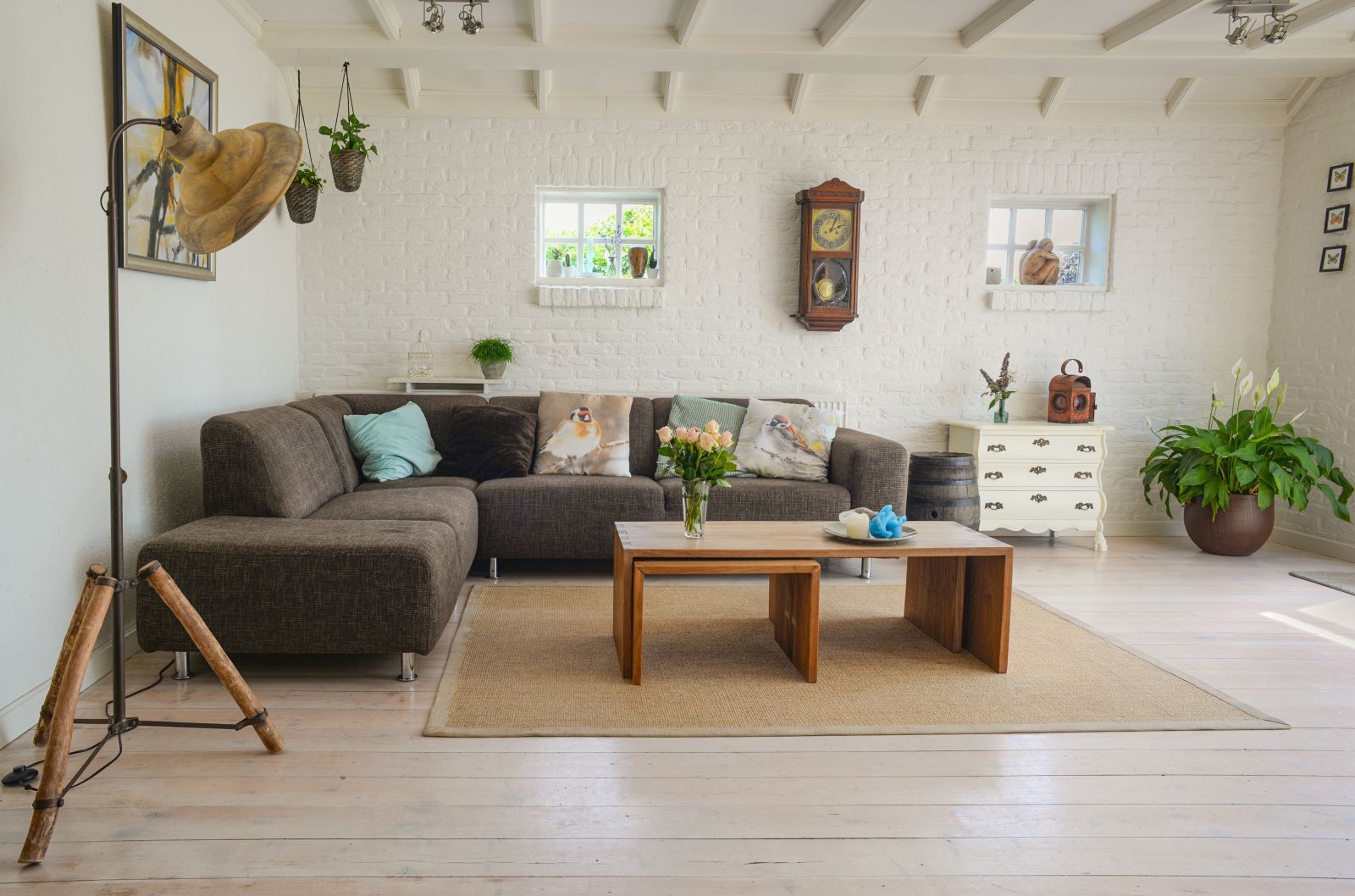
A single large plant can serve as a focal point that grounds an entire room's design, while clusters of smaller plants create layered, textured arrangements on shelves and windowsills. Positioning taller plants toward the back of a grouping and shorter ones in front produces a visually cohesive effect. Mixing broad-leaf varieties with finer foliage adds depth and interest without requiring much of an investment.
Putting Your Indoor Plant Plan into Action
Choosing indoor plants is ultimately about matching nature to your real living conditions, not chasing trends. Before making any purchase, assess your home's available light, consider the space and how people move through it, and be honest about how much time you can reliably dedicate to care. Start with one or two well-chosen plants, observe how they respond over several weeks, and adjust your approach as your confidence grows. For toxicity information and pest management guidance, rely on vetted resources such as university extension services or established plant databases. The right plant is always the one that genuinely fits where — and how — you live.