
RV Water Heater for Travel Trailer: A Guide to Remote Control Models
Hot water is an important part of comfortable travel trailer living. A suitable rv water heater for travel trailer use should match the available space, fuel source, water system, and power supply. Tankless models are popular because they heat water when needed instead of storing a fixed amount. Traditional tank models remain useful when simple operation and familiar installation are priorities.
Why Remote Temperature Control Can Help
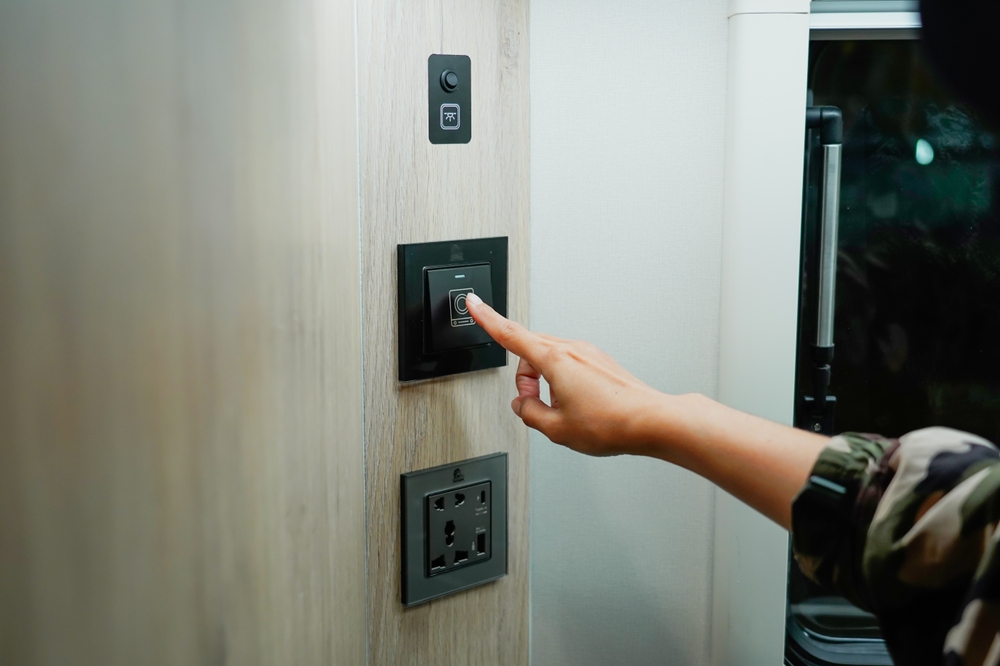
An rv water heater with remote control gives users another way to adjust the heating system. Instead of reaching the main unit, the user can operate supported controls from inside the trailer. Depending on the model, the controller may allow temperature adjustment, power control, or other settings. This can make everyday use more convenient. Remote control is helpful when the heater is installed outside or in a less accessible compartment.
Check the Physical Fit Before Buying
One of the most important steps is measuring the existing heater opening. RV water heaters can use different door and cutout sizes, so measurements should come from the actual trailer. Check the width, height, depth, and surrounding clearance. Also inspect where the water, gas, and electrical connections are located.
Understand BTU and Water Flow Ratings
BTU describes the heating capacity of a propane water heater. A higher rating can support greater heating demand, but it does not automatically mean the unit is right for every trailer. Water flow is another important specification. It tells you how much water the system can heat under its stated operating conditions. For example, a system may list its output in gallons per minute.
Propane, Electric, and Power Requirements
Many RV tankless water heaters use propane as the primary heat source and 12 volt power for controls or ignition. Other RV water heaters combine propane and electricity.
Consider Water Pressure and Flow
Water pressure can affect how a tankless heater operates. If the flow is too low, some systems may not activate correctly. If demand is too high, the outlet temperature may not remain where you expect. This makes the trailer's pump and plumbing system part of the overall selection process.
Cold Weather Needs Attention
Cold weather also deserves attention. Water trapped inside plumbing or heater components can freeze and cause damage. Some modern systems include freeze protection features, but these should not replace proper winterization. If the trailer will be stored in freezing conditions, follow the heater manufacturer's winterizing instructions.
Installation Requires More Than Connecting Water Lines
Installing a water heater involves several systems at once. Depending on the design, you may need to connect water lines, propane, 12 volt wiring, exhaust components, and safety devices.
Maintenance Helps Keep the System Working
Regular maintenance depends on the type of heater you install. Tank systems may require attention to the tank, heating element, burner, and related components. Tankless models can require inspection of filters, water passages, burner areas, and exhaust components.
The owner's manual should guide the maintenance schedule. Do not assume every heater uses the same cleaning method or replacement parts. Inspect connections when appropriate and watch for unusual noises, error indicators, reduced flow, or changes in water temperature. Early attention can help prevent a small operating issue from becoming a larger repair.
Common Questions About Travel Trailer Water Heaters
Can I replace a tank water heater with a tankless model?
Yes, replacement is possible in many trailers, but compatibility must be checked first. Cutout dimensions, connections, power, fuel, and ventilation all need to match the new system.
What size water heater does a travel trailer need?
The right size depends on water demand, available space, heating capacity, and the trailer's existing system. Check flow requirements and installation dimensions instead of choosing by trailer size alone.
Does an rv water heater with remote control need electricity?
Many remote controlled systems use low voltage power for ignition, controls, or the controller. The exact electrical requirement depends on the heater design and should be checked in its specifications.
Are tankless water heaters better for travel trailers?
They can be useful when you want on demand heating and do not want a storage tank. However, tank models may still suit travelers who prefer a conventional setup.
How do I prepare a water heater for winter storage?
Follow the heater's specific winterizing procedure and remove or protect water from areas that can freeze. Never rely on general RV advice when the heater manual provides different instructions.